
Introduction
When asked to learn something via Computer Assisted Learning (CAI), then report back on the experience, the choice was easy; of course, I’d choose a language (see My Life in Languages). Interestingly, of the four examples of CAI provided of what CAI can accomplish in the course overview (Athabasca University a, 2026.), three of them are example of language programs. There are certainly many non-language examples of CAI, but languages seem to offer a natural fit into this niche because questions about languages and what they mean tend to be quite objective, therefore easy to grade without errors.
CAI is one of several forms of computer-based education (CBE). “It is a system in which the computer is the direct instructional device” (Athabasca University b, 2026). While this system has many advantages, it also presents a few problems: no way, or provision for interacting with other students, and no provision for instructor interaction. An offshoot of CAI, Web-Based Instruction (WBI) offers solutions to these problems by allowing such communication, however, this is not the case for CAI (Athabasca University b, 2026).
My Life in Languages
I’ve always had a love-hate relationship with languages as far back as I can remember. I was born to bilingual parents who wanted me to exclusively learn French. Then, around the age of eighteen months, an English-speaking babysitter was hired while my parents worked, so I picked picked up English fairly quickly. In fact, I mastered it so well, that by the time I started French school at age 5, I had completely forgotten my French to a degree where I needed specialist help to relearn it. So henceforth, I grew up speaking mostly English yet attending a French school. If you were to ask me, I didn’t like it very much, but I dealt with it as I could.
Languages were fascinating to me, so imagine my joy when I was selected to be an exchange student to Ecuador around the age of 17. It was an experience of total immersion. By the third month, I was assisting American doctors in translation. I wasn’t great yet, but was able to get the messages across. By the time my exchange ended after a year, I was near fluent in Spanish.
After my return from Ecuador, I was given the opportunity to learn Braille, in order to teach blind children how to read in Braille. I jumped at this chance, knowing that this opportunity wasn’t one that was open to everyone. I would then volunteer as a proof-reader for Braille school books that were created for blind students.
Not too much later, I had the opportunity to work and live in Egypt and Saudi Arabia, where both of my children were born. I picked up Arabic over this time, though I can’t claim to have ever been fluent in this difficult-to-absorb language.
CAI is one of several forms of computer-based education (CBE). “It is a system in which the computer is the direct instructional device” (Athabasca University b, 2026). While this system has many advantages, it also presents a few problems: no way, or provision for interacting with other students, and no provision for instructor interaction. An offshoot of CAI, Web-Based Instruction (WBI) offers solutions to these problems by allowing such communication, however, this is not the case for CAI (Athabasca University b, 2026).
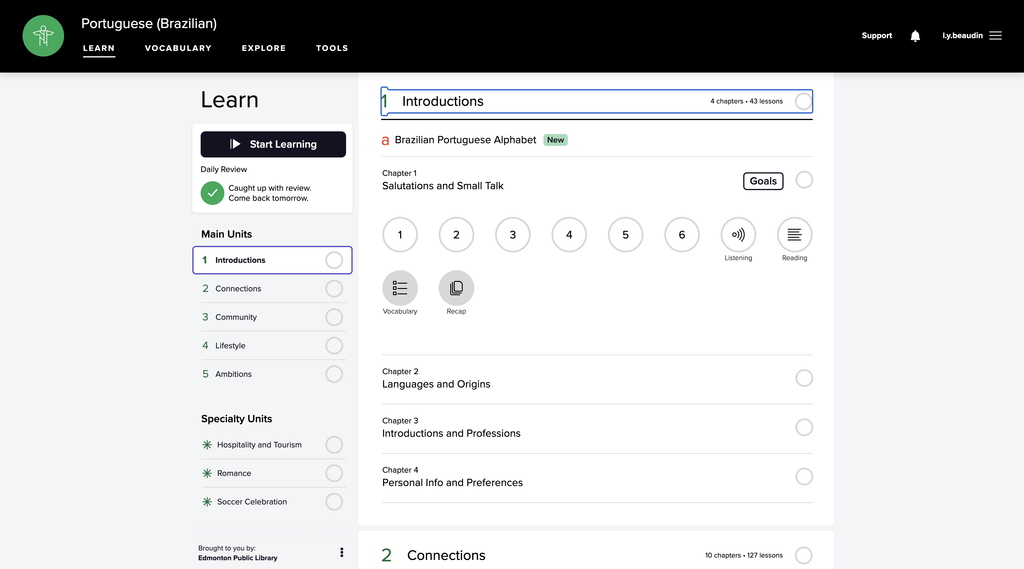
Exploring Mango
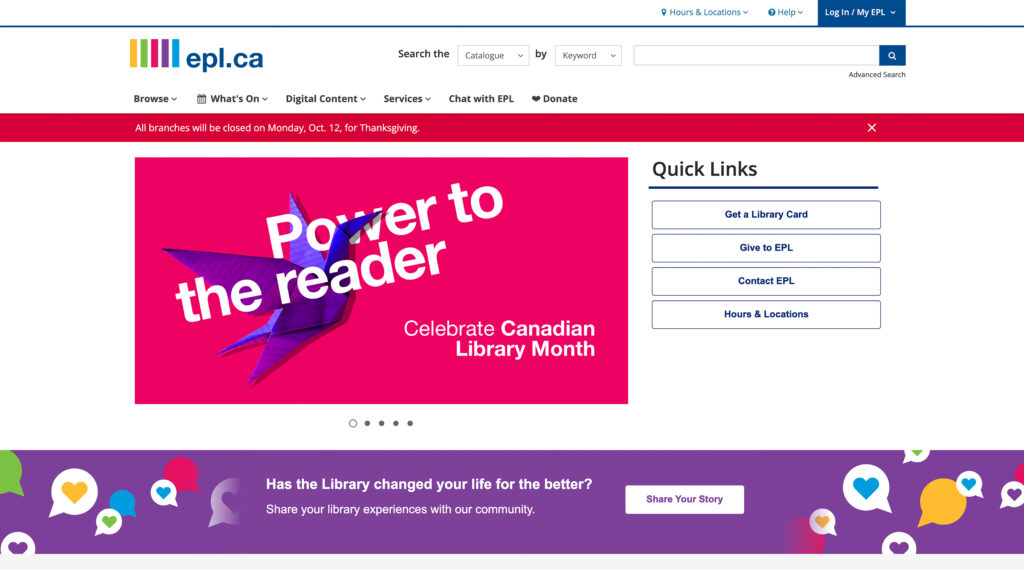
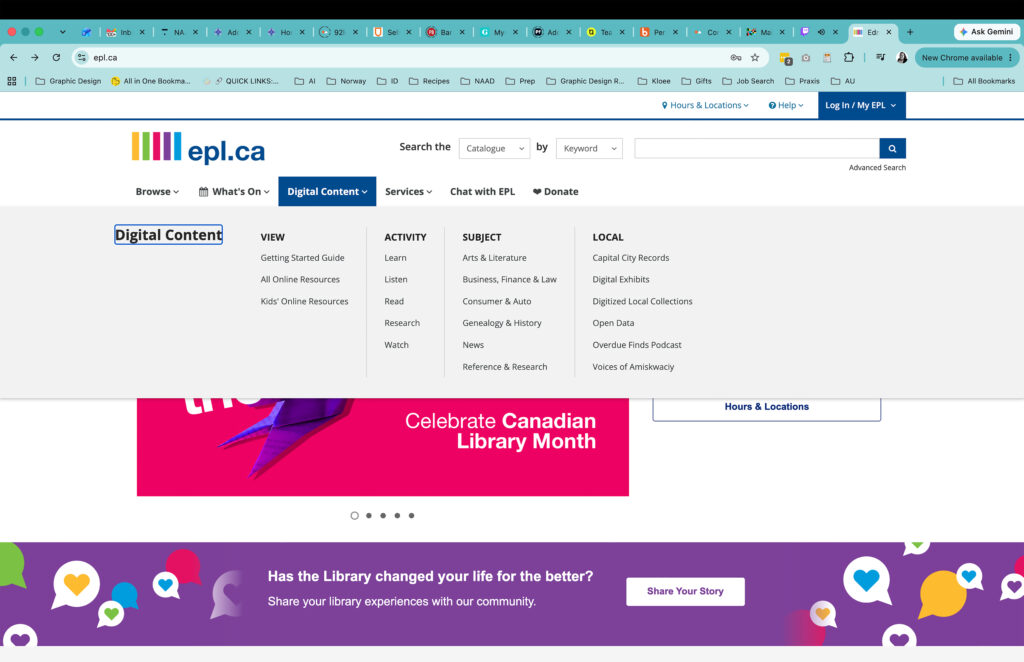
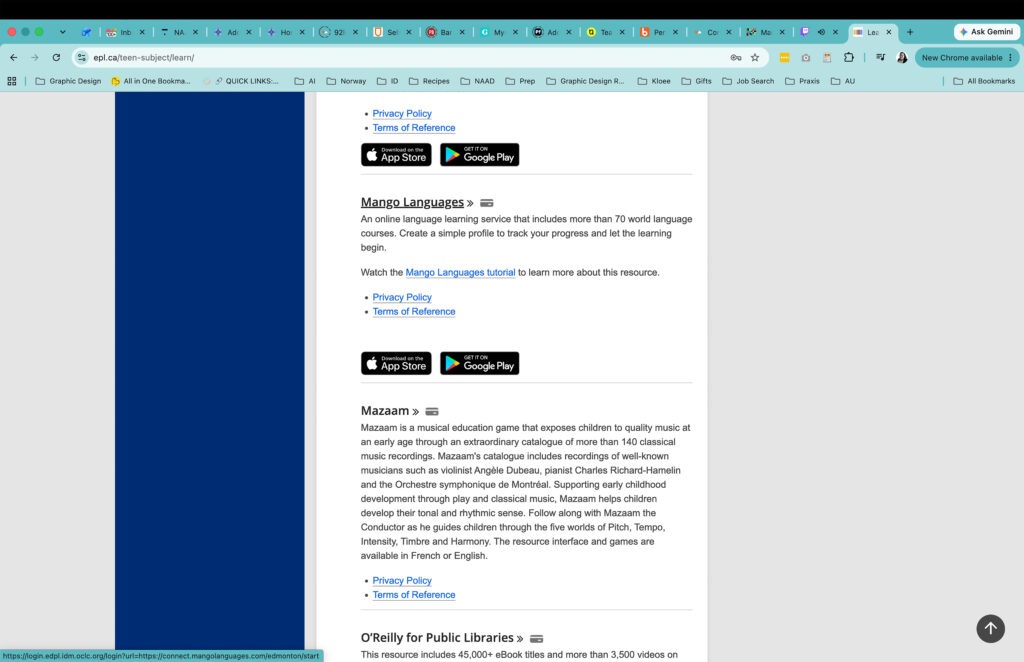
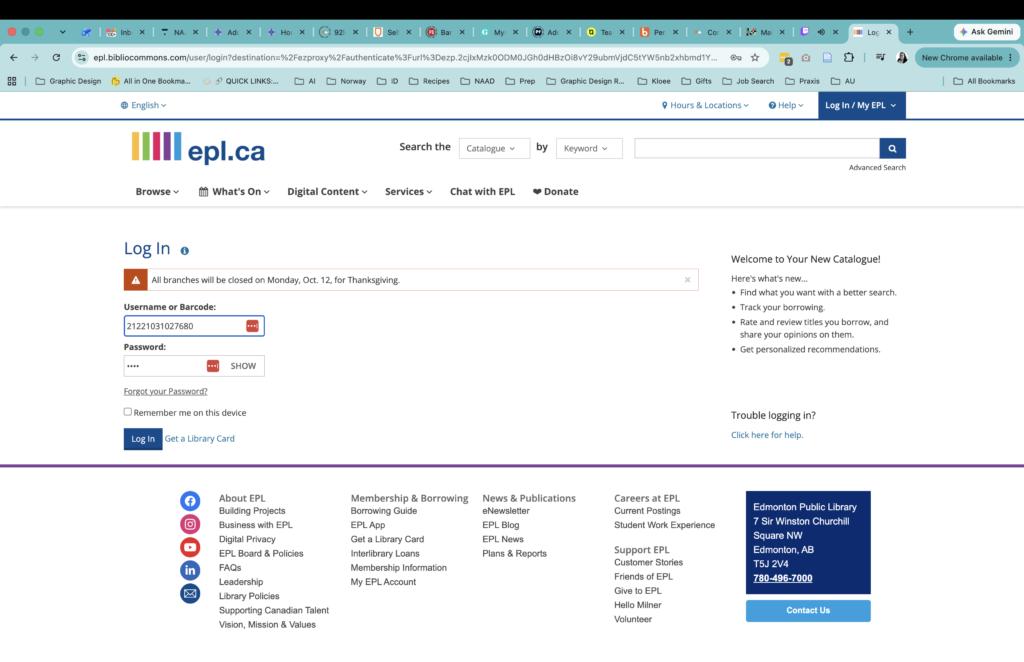
For free access to Mango, I first had to login to Edmonton Public Library (EPL’s) website. Under the digital content tab a bunch of options open up where one can select “learn.” There are many CAI options available under this tab, including
- LinkedIn Learning
- Brainfuse JobNow
- Clear Pronunciation
- Fiero Code
- Gale Courses
- Mango Languages
- Road to IELTS
- Solaro
- Transparent Language Online
- And much more…
As you can see, CAI is everywhere and libraries are great places to find free versions of otherwise paid platforms.